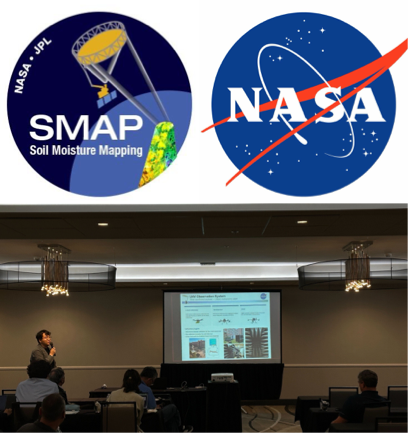
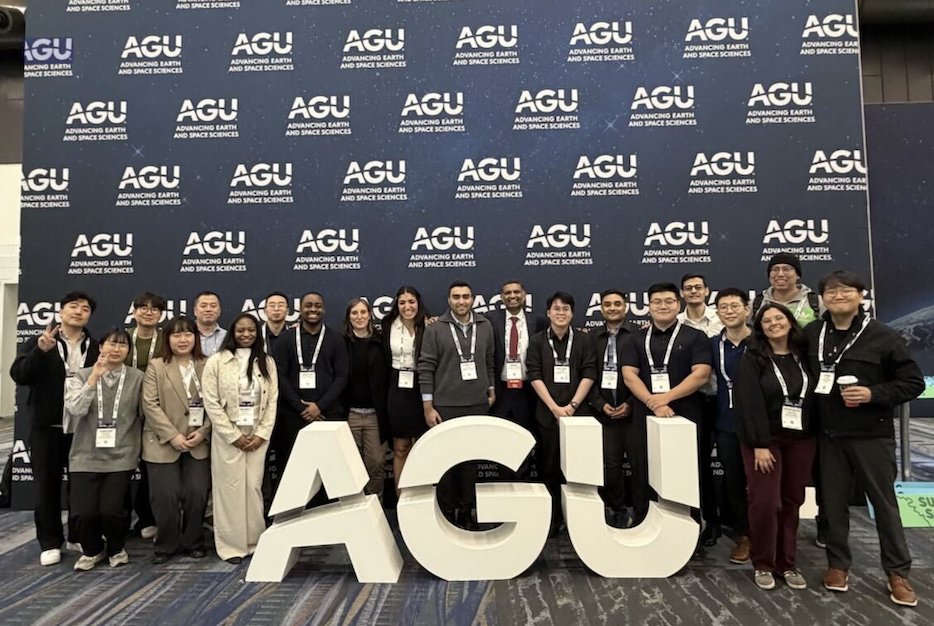
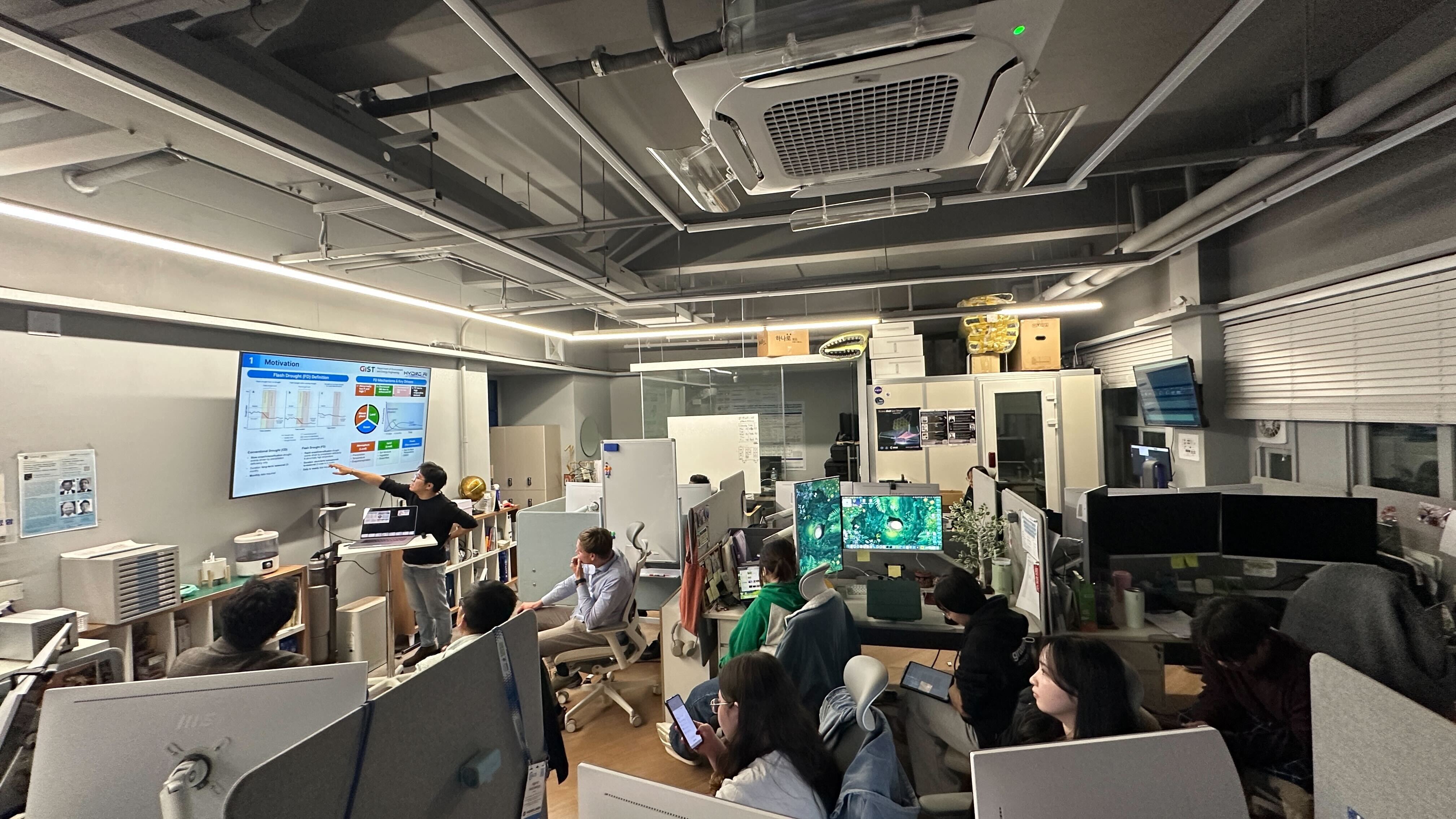
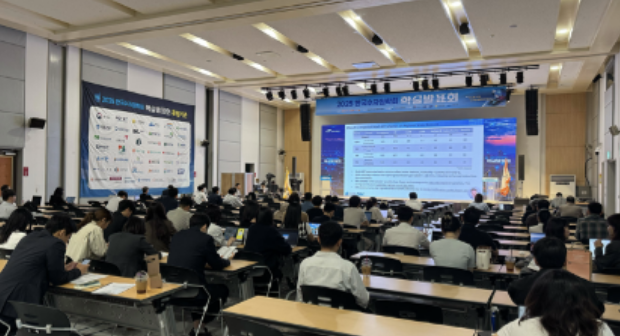
We are thrilled to share that our research lab recently participated in the NASA SMAP (Soil Moisture Active Passive) Science Team Meeting, where we had the opportunity to present our latest work on satellite-based soil moisture research and engage with leading scientists from around the world.
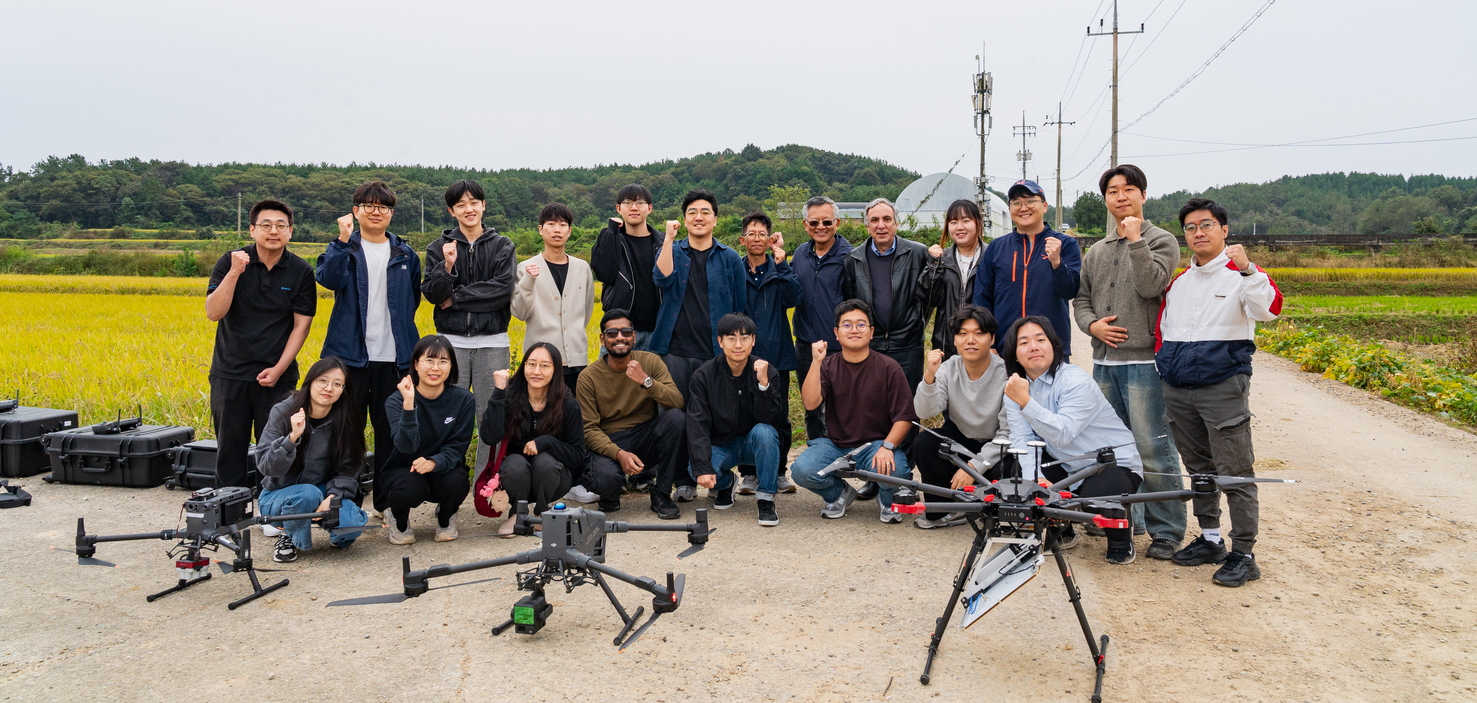
Presenting the Core Validation Site for Global Hydrology Satellite Missions
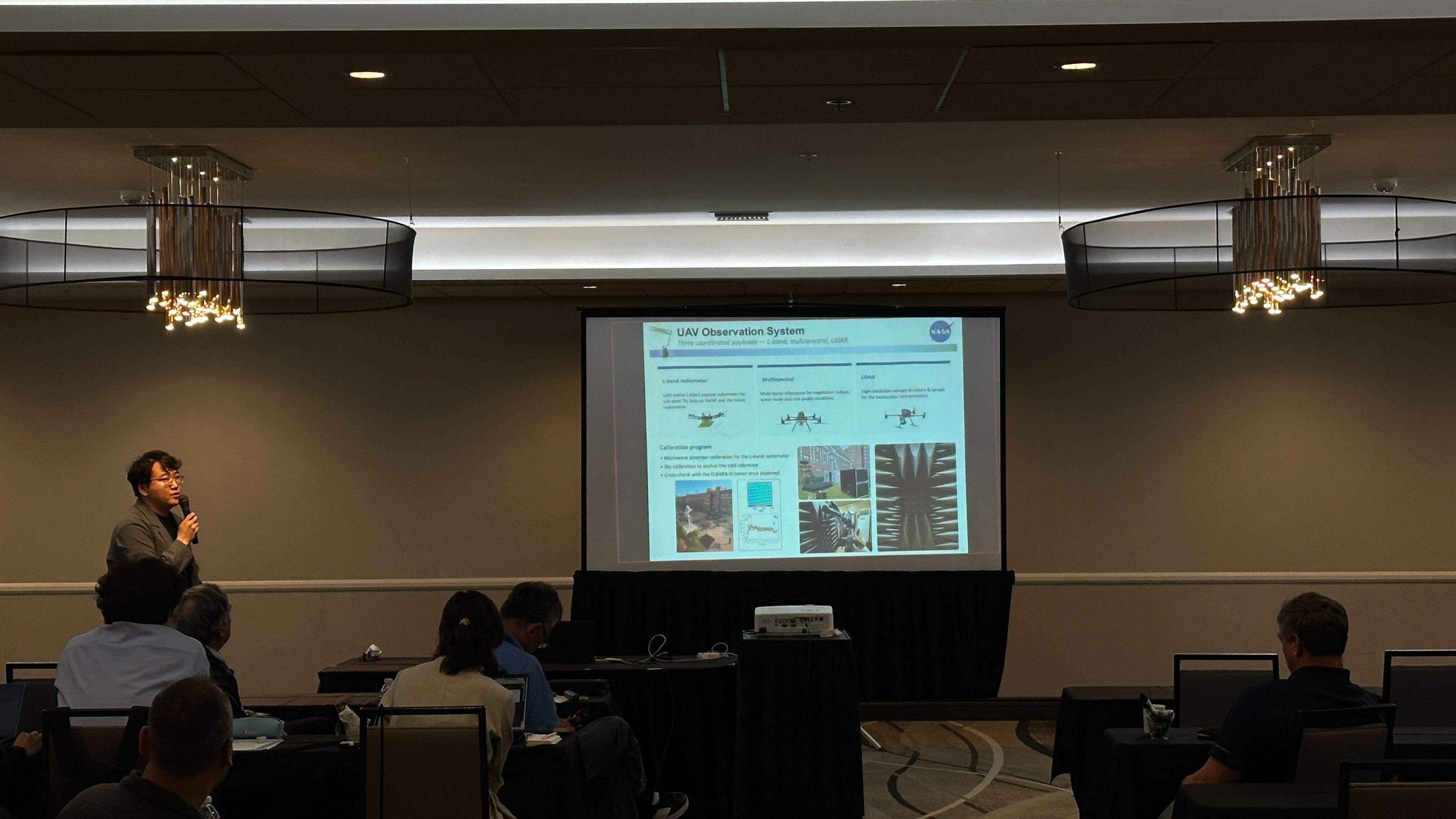
The highlight of our participation was the presentation I delivered on the Core Validation Site (CVS) for global hydrology satellite missions, focusing on 1 km × 1 km high-resolution validation strategies. This work is critical for ensuring the accuracy and reliability of soil moisture retrievals from current and upcoming satellite missions dedicated to advancing global water cycle science.
In the presentation, I emphasized:
- The design and implementation of a fine-scale (1 km × 1 km) validation framework capable of supporting global hydrology applications
- The role of dense in-situ sensor networks in capturing sub-pixel soil moisture variability
- How our core validation site can contribute to the international satellite validation network, supporting global efforts in hydrology and Earth system science
Establishing a robust core validation site is essential for bridging satellite observations and ground-truth measurements, and we believe our work will play a key role in advancing Earth observation science for the global hydrology community.
SMAP Algorithm Development by Dr. Lee
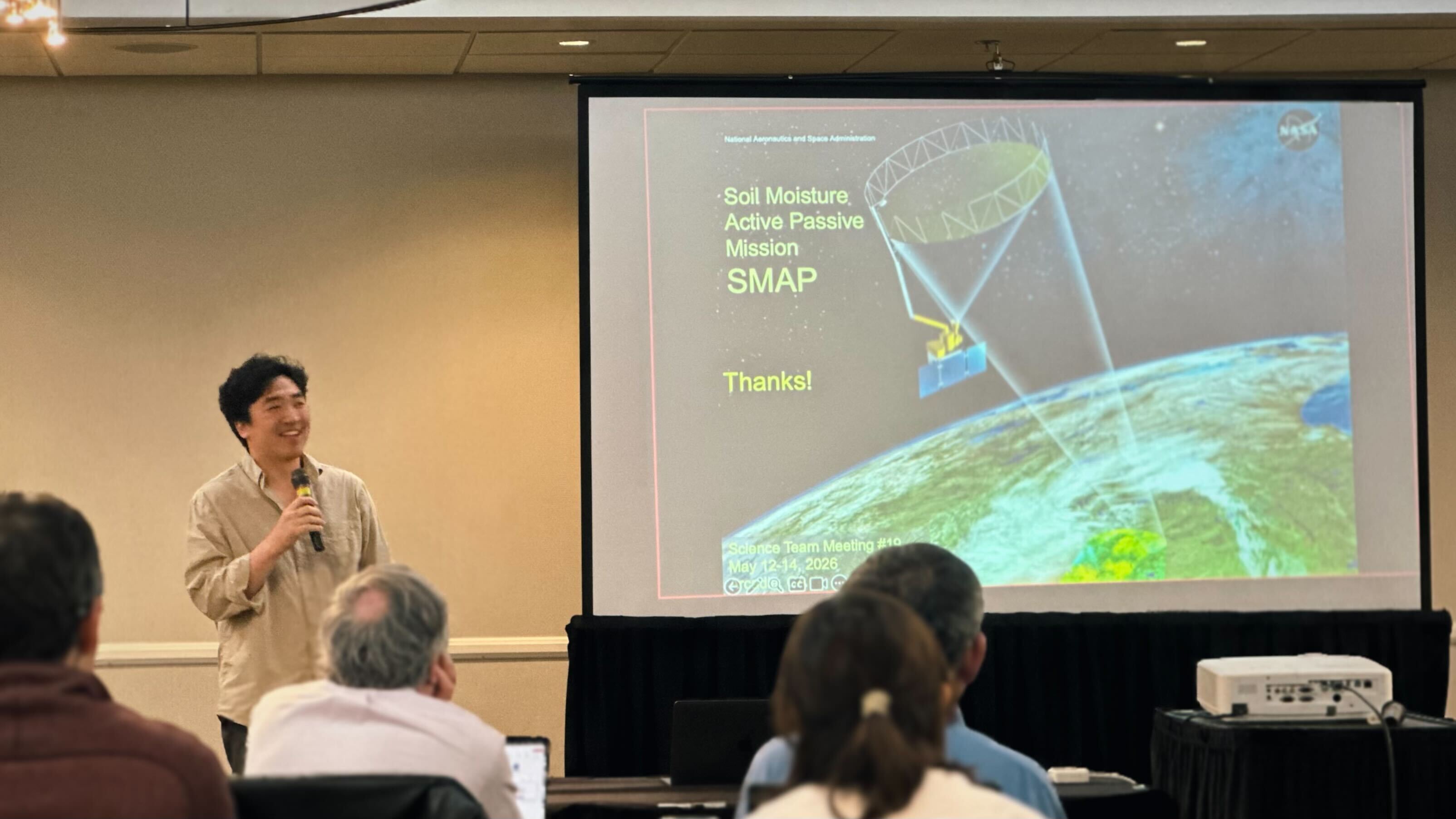
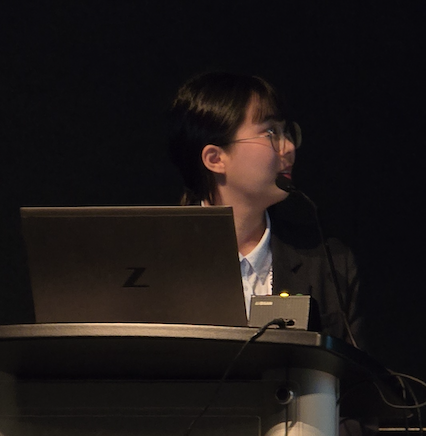
In addition to the validation site presentation, Dr. Lee, our postdoctoral researcher, presented his work on SMAP satellite algorithm development. His research focuses on improving soil moisture retrieval algorithms, contributing directly to enhancing the accuracy of SMAP's global soil moisture products. The discussions following his talk were highly engaging, with valuable feedback from SMAP science team members that will help refine the algorithm further.
A Team Effort: Learning Together
This meeting was truly a team experience. Our lab attended with a strong contingent:
- 7 researchers
- 1 undergraduate student
- 2 master's students
- 3 Ph.D. students
- 1 Postdoc researcher
Having our students attend alongside senior researchers provided an invaluable learning opportunity. They were able to witness firsthand how international scientific collaboration works, engage with world-class researchers, and gain new perspectives on remote sensing, hydrology, and satellite validation science. Many of us came away with fresh ideas, new collaborations, and a renewed sense of purpose for our ongoing research.
Looking Ahead
The NASA SMAP Science Team Meeting reaffirmed the importance of international cooperation in advancing satellite-based Earth observation. We are excited to continue our work on the Core Validation Site for global hydrology satellite missions, and to keep contributing to the international SMAP science community.
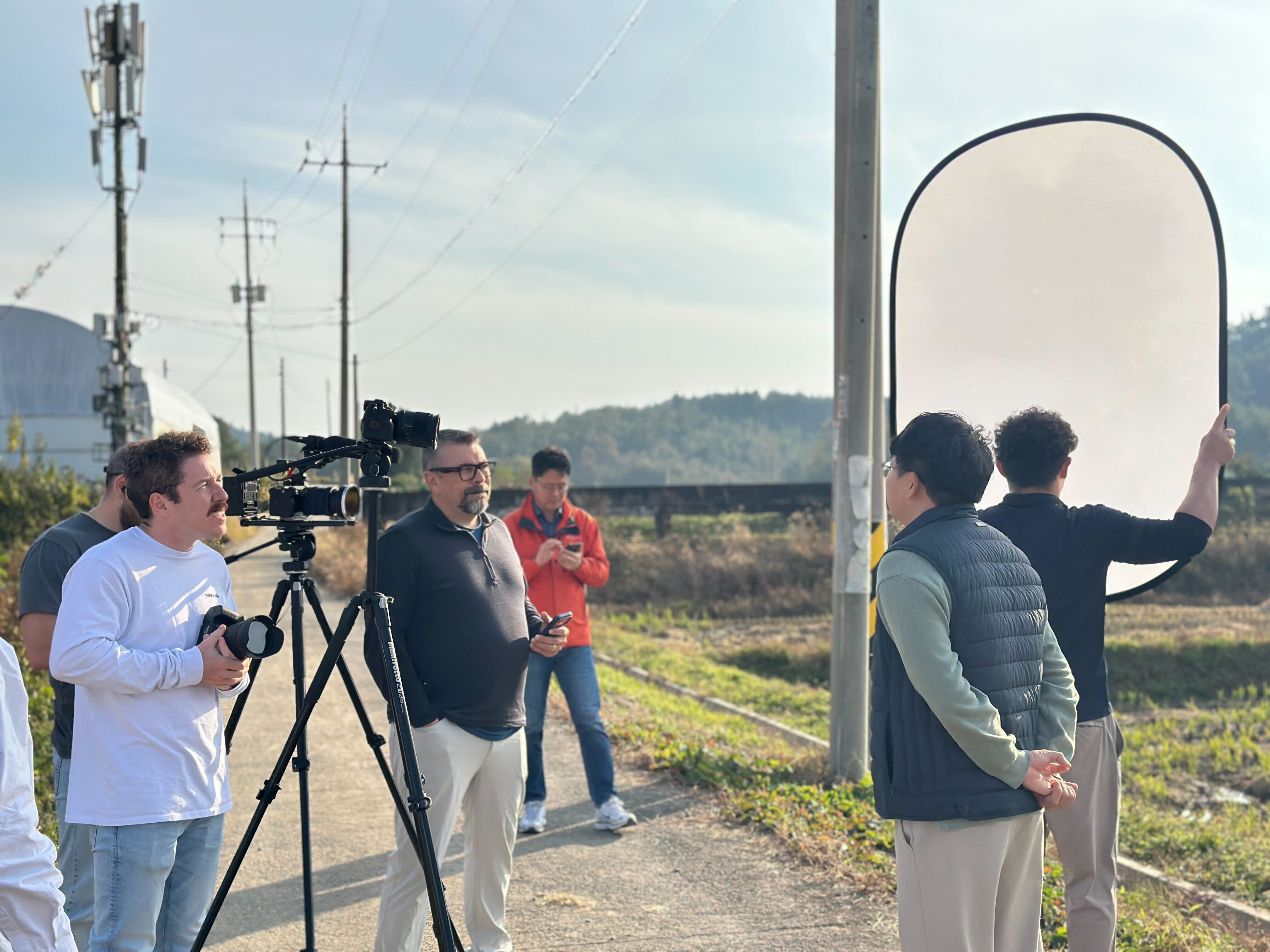
Stay tuned for more updates from our lab as we move forward with field campaigns, algorithm refinement, and new research collaborations inspired by this meeting!