A flash drought takes hold within a few weeks, often before a drought has been declared. This project asks how far ahead it can be seen coming, and where that foresight comes from.
At a glance
- Theme: Early warning of flash drought
- Observations: Weather and land reanalysis
- Approach: Forecasts for weeks ahead, checked against what happened
- Scale: Global

The basics
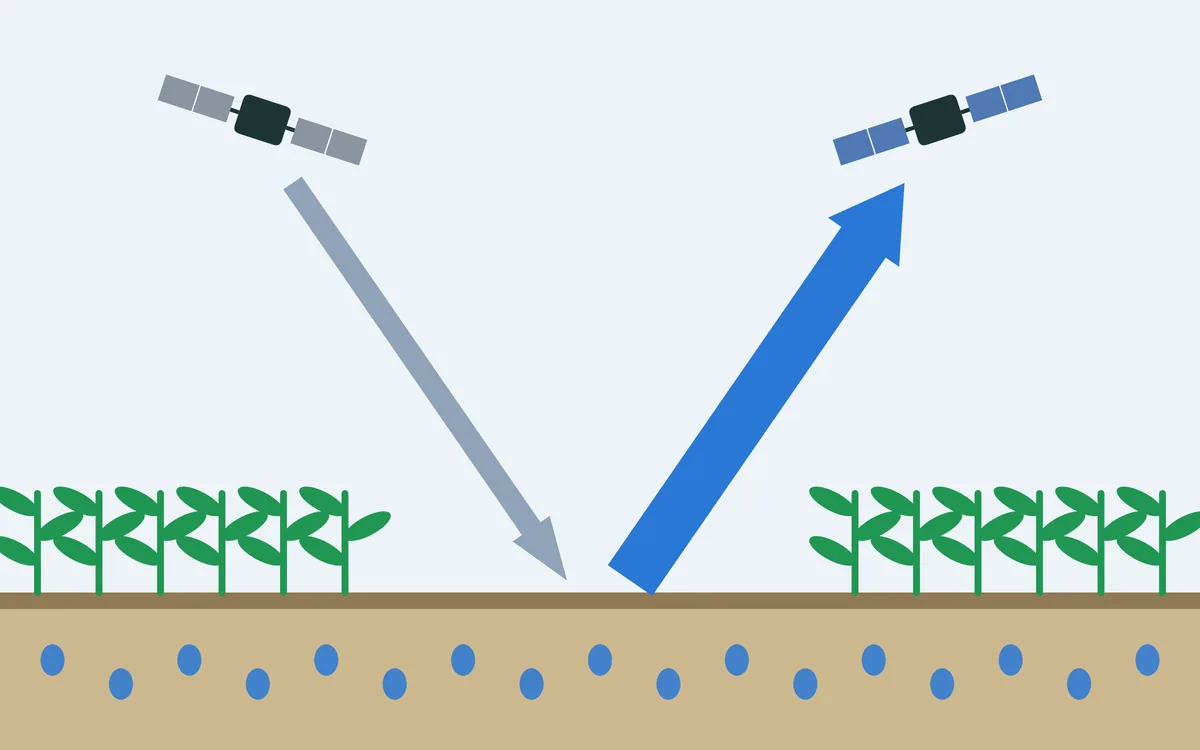
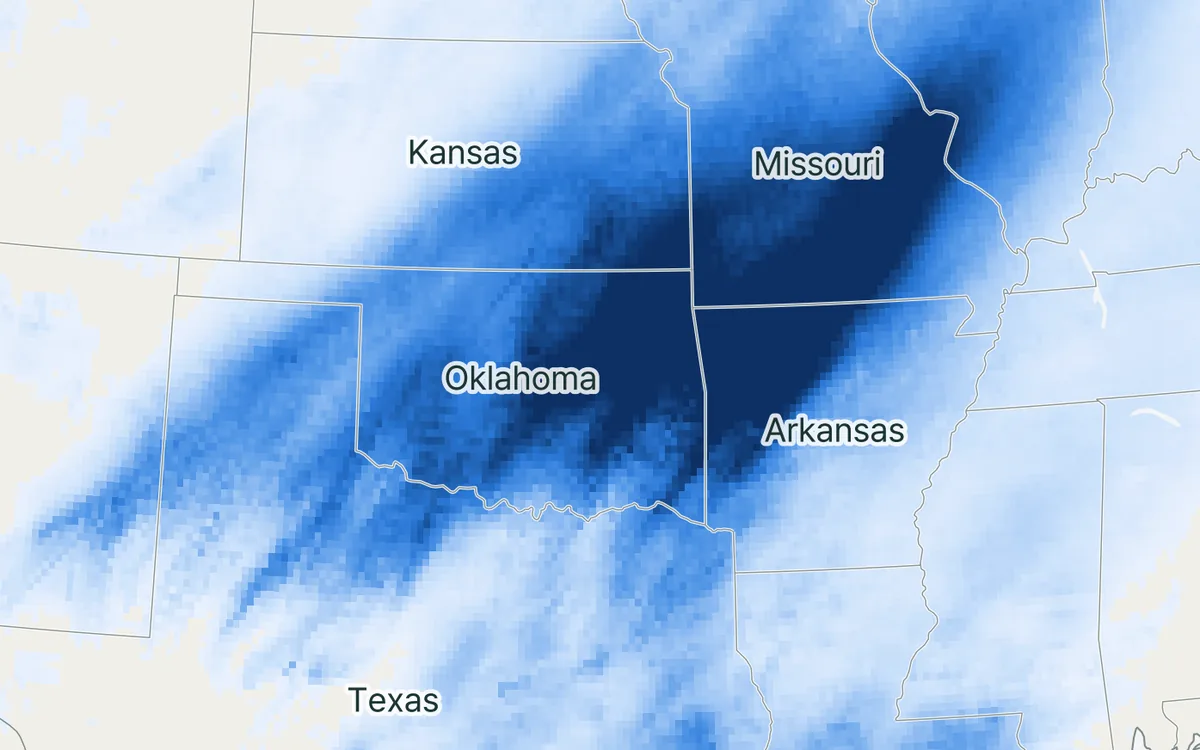
Most droughts build over months. A flash drought needs only weeks. The rain stays away while heat, sunshine and dry air draw water out of the ground faster than usual, and the soil in which plants root goes from ordinary to very dry before a drought has been declared. The summer of 2022 in the Yangtze basin of China was such a case; the central United States in 2012 was another.
Forecasts are at their best at the two ends of the time scale. For the next week or two, weather models follow single weather systems. For the coming season, the slowly changing oceans tilt the odds towards wet or dry. The weeks in between, from about two weeks to two months ahead, are the hardest to forecast, and that is just the span in which a flash drought takes hold.

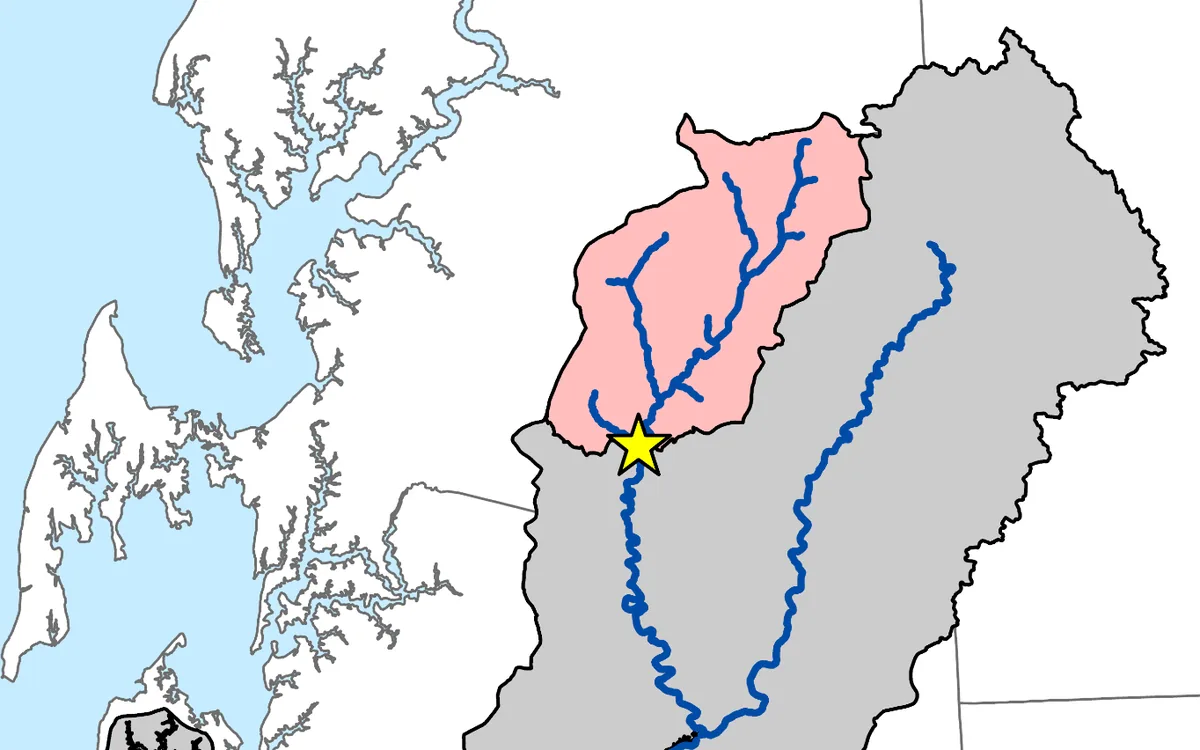
Some things change slowly enough to help. A weather pattern that brings heat can stay for weeks. Soil that is already dry stays dry and warms the air above it. And where groundwater lies close to the surface, it can keep the soil supplied for a while.
The challenge
A warning helps only if it comes before the soil has dried out. Where on Earth that is possible, how many weeks ahead, and whether the foresight comes from the air, from the soil or from the groundwater below is not well known.
Our focus
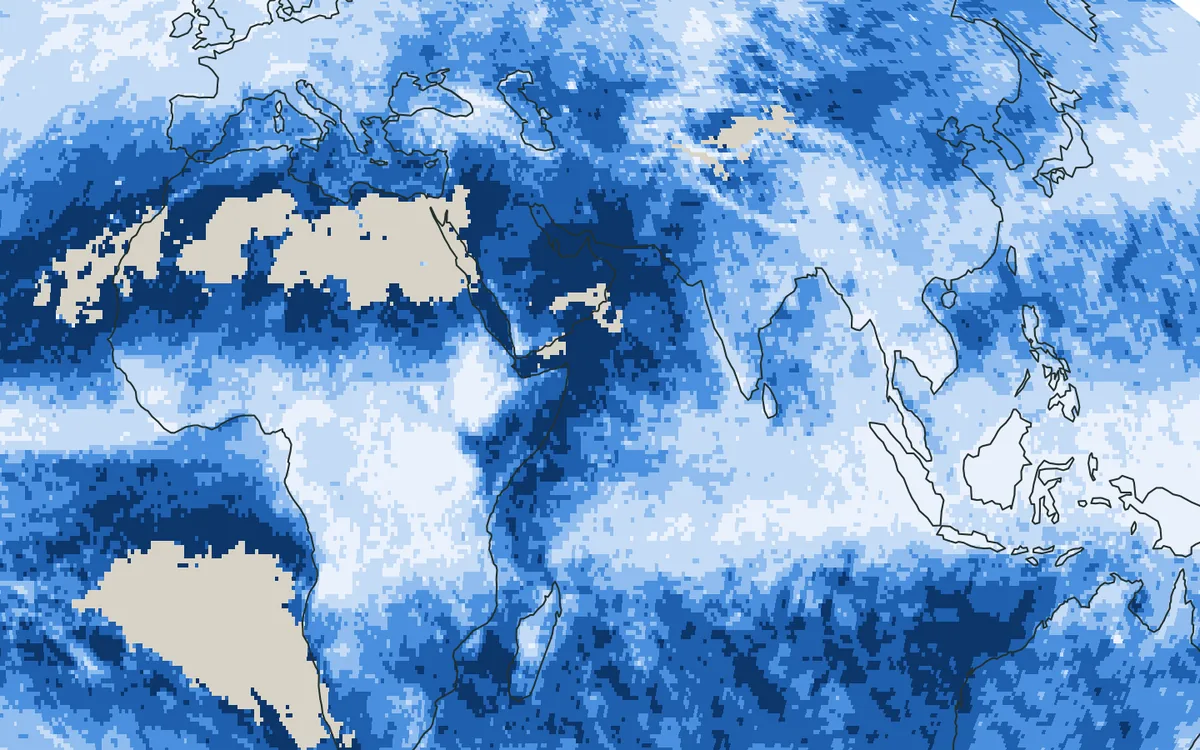
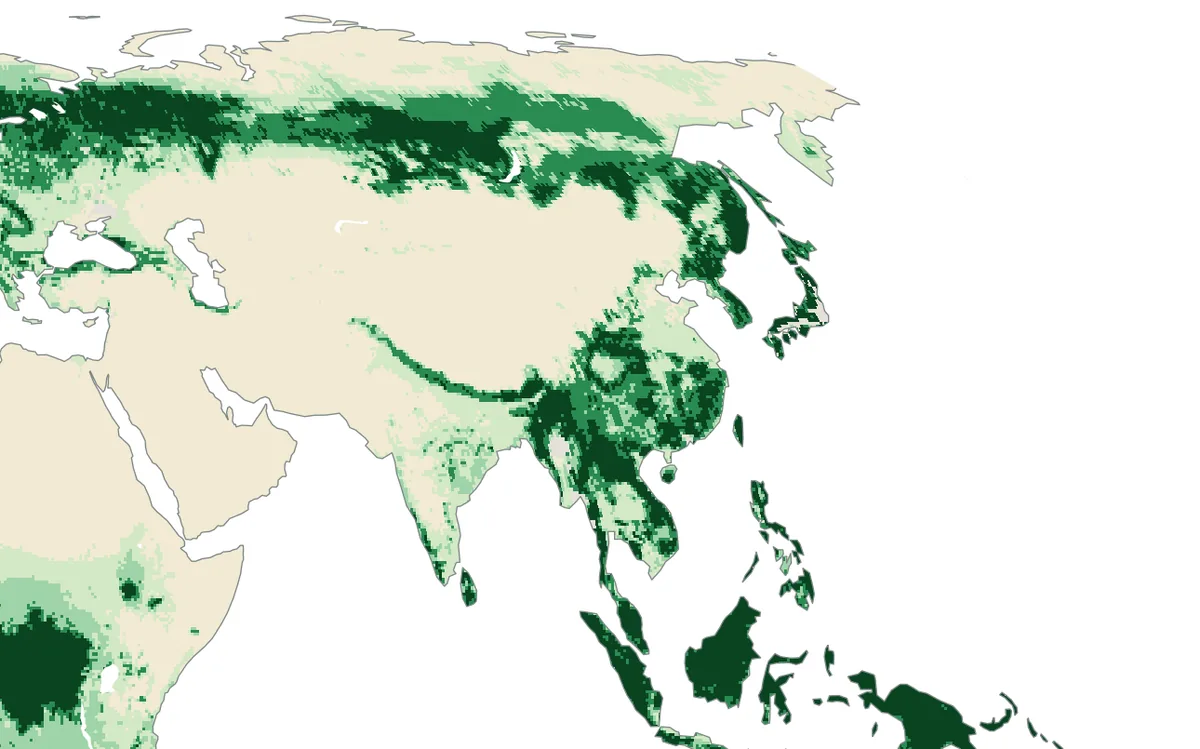
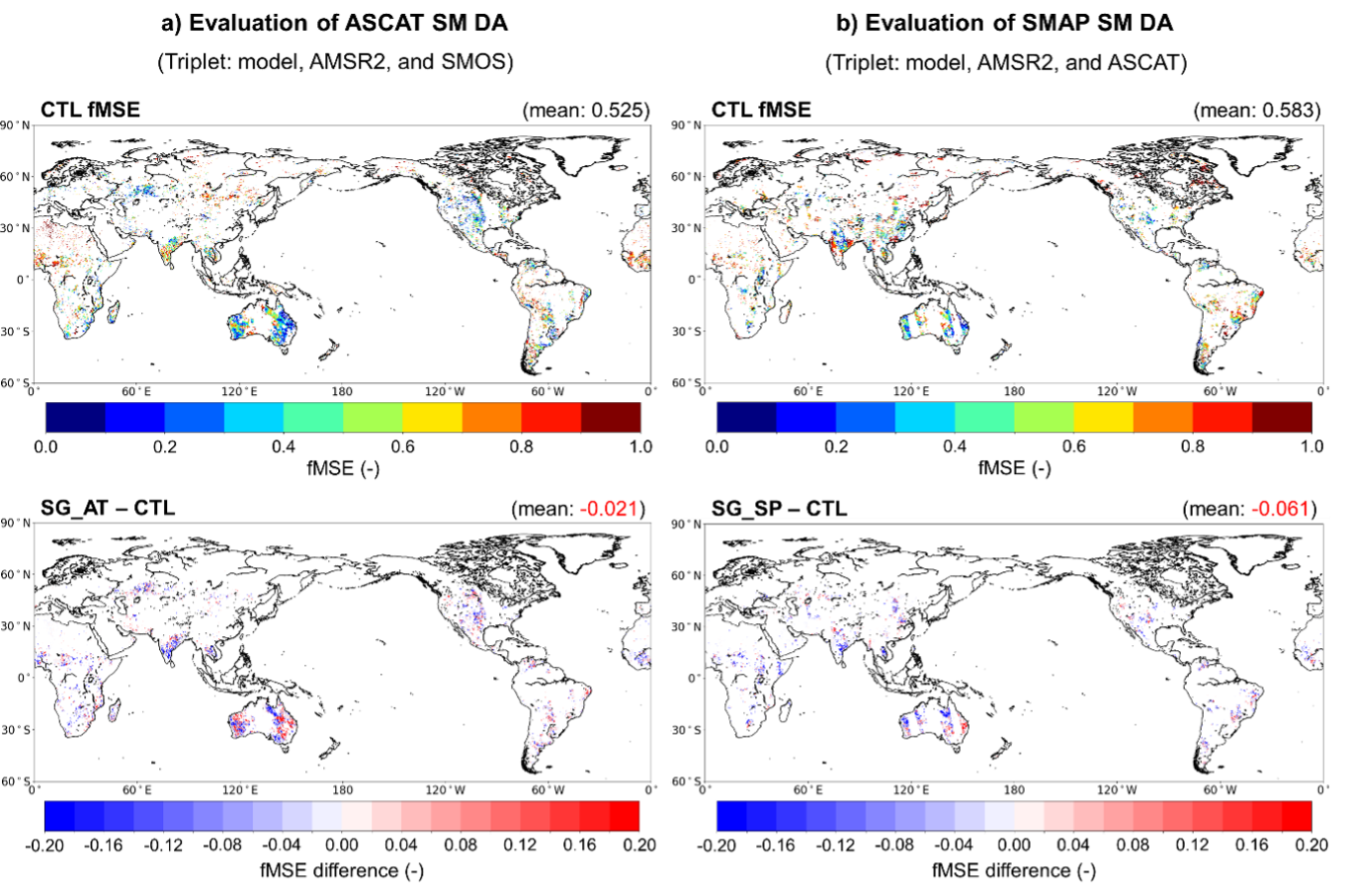
We compare a decade of forecasts for the coming weeks, as a weather centre issued them, with what then happened, all over the globe. We ask how far ahead the onset of a flash drought could have been seen, and how much of that foresight came from the atmosphere, from the memory of the soil and from groundwater.
Why it matters
Two or three weeks of warning are enough to change decisions: when to irrigate, how much water to keep in a reservoir, where to prepare for fire. Knowing where a forecast can be trusted, and why, is the first step towards an early-warning system.