Next week's weather is hard to predict; the wetness of the soil is easier, because soil remembers. This project studies how far ahead soil moisture can be forecast around the world, and what sets the limit.
At a glance
- Theme: Forecasting soil moisture
- Observations: Satellite soil moisture, weather reanalysis
- Approach: Artificial-intelligence weather models
- Scale: Global

The basics
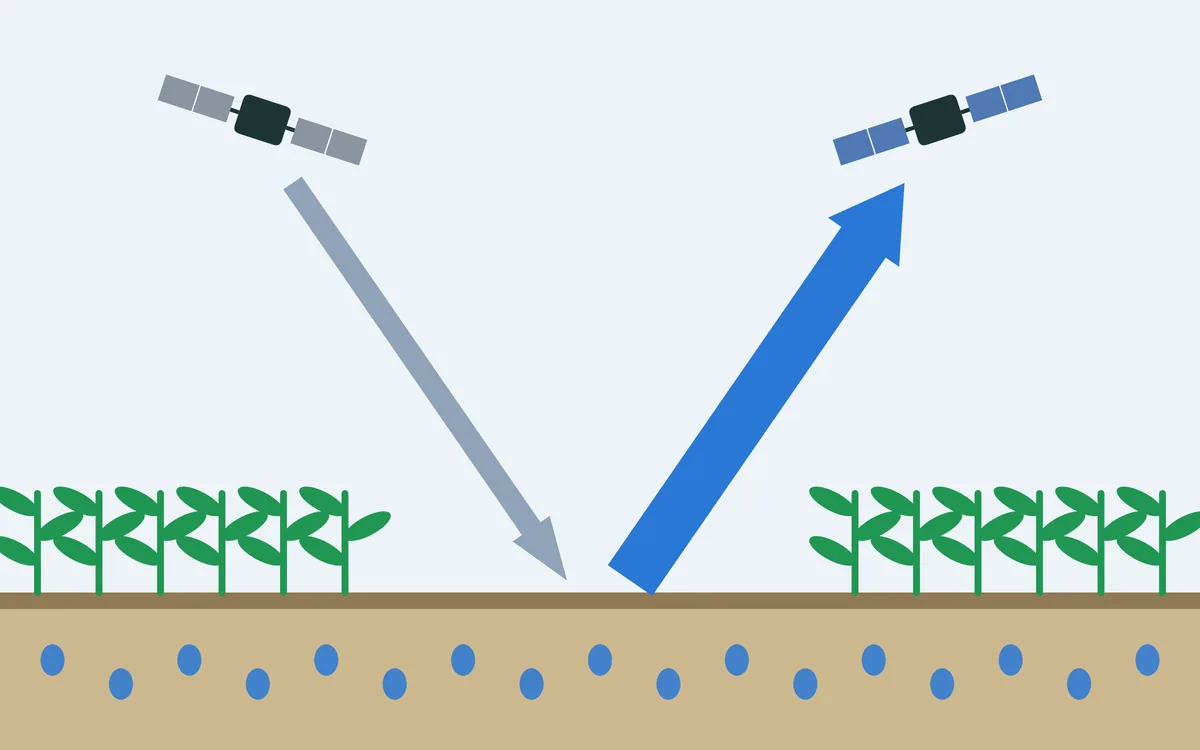
A forecast of soil moisture draws on two kinds of knowledge. The first is the weather to come: rain, sunshine, temperature and wind decide how the soil will wet and dry. Weather forecasts are good for about a week and lose most of their skill after about two. The second is where the soil starts from. Soil dries slowly, so a soil that is wetter than usual today will probably still be wetter than usual next week. This memory lasts from days to months, depending on climate, soil and vegetation, and it is why soil moisture can be predicted further ahead than the weather itself.

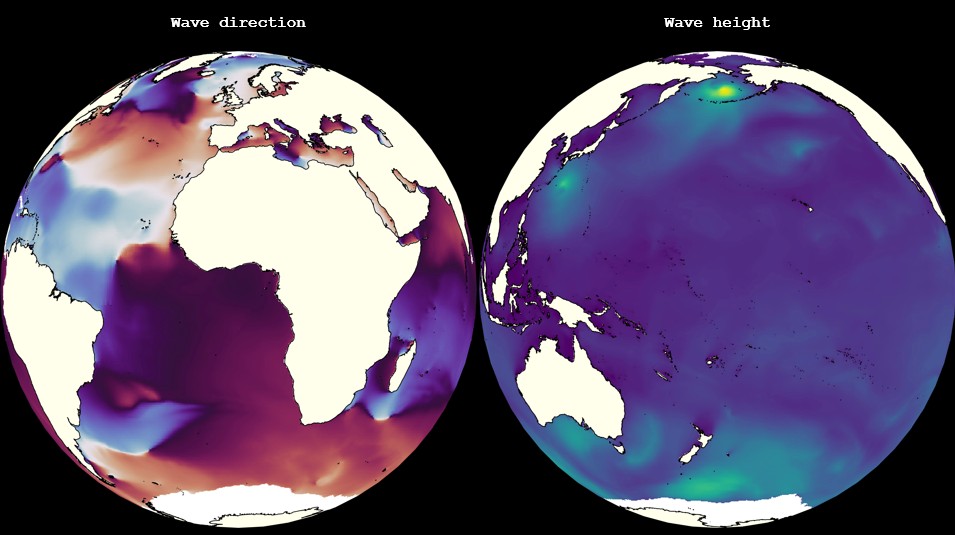
In the last few years, weather models built with artificial intelligence and trained on decades of past weather have become as accurate as the traditional ones, and they run in minutes instead of hours. That makes it possible to ask anew how well soil moisture can be forecast, everywhere and over many past years.
The challenge
How much each of the two, the memory of the soil and the forecast of the weather, contributes to a forecast, and for how long, differs from place to place and from season to season.

Our focus
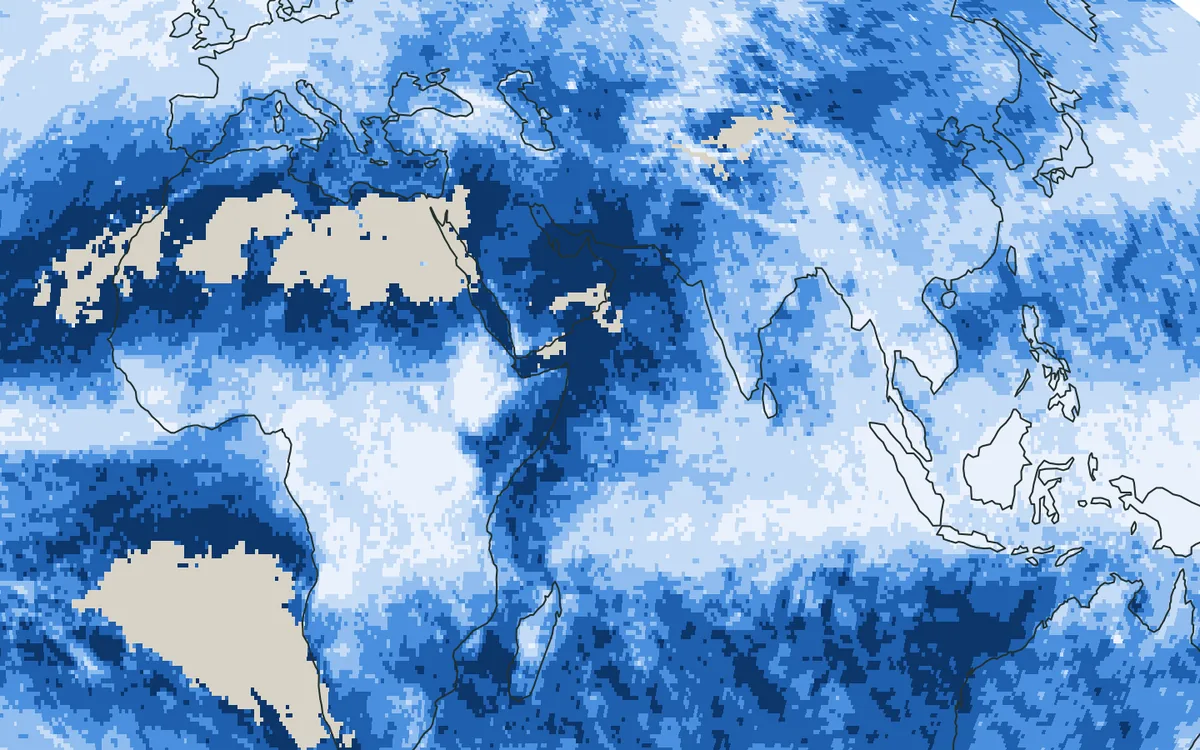
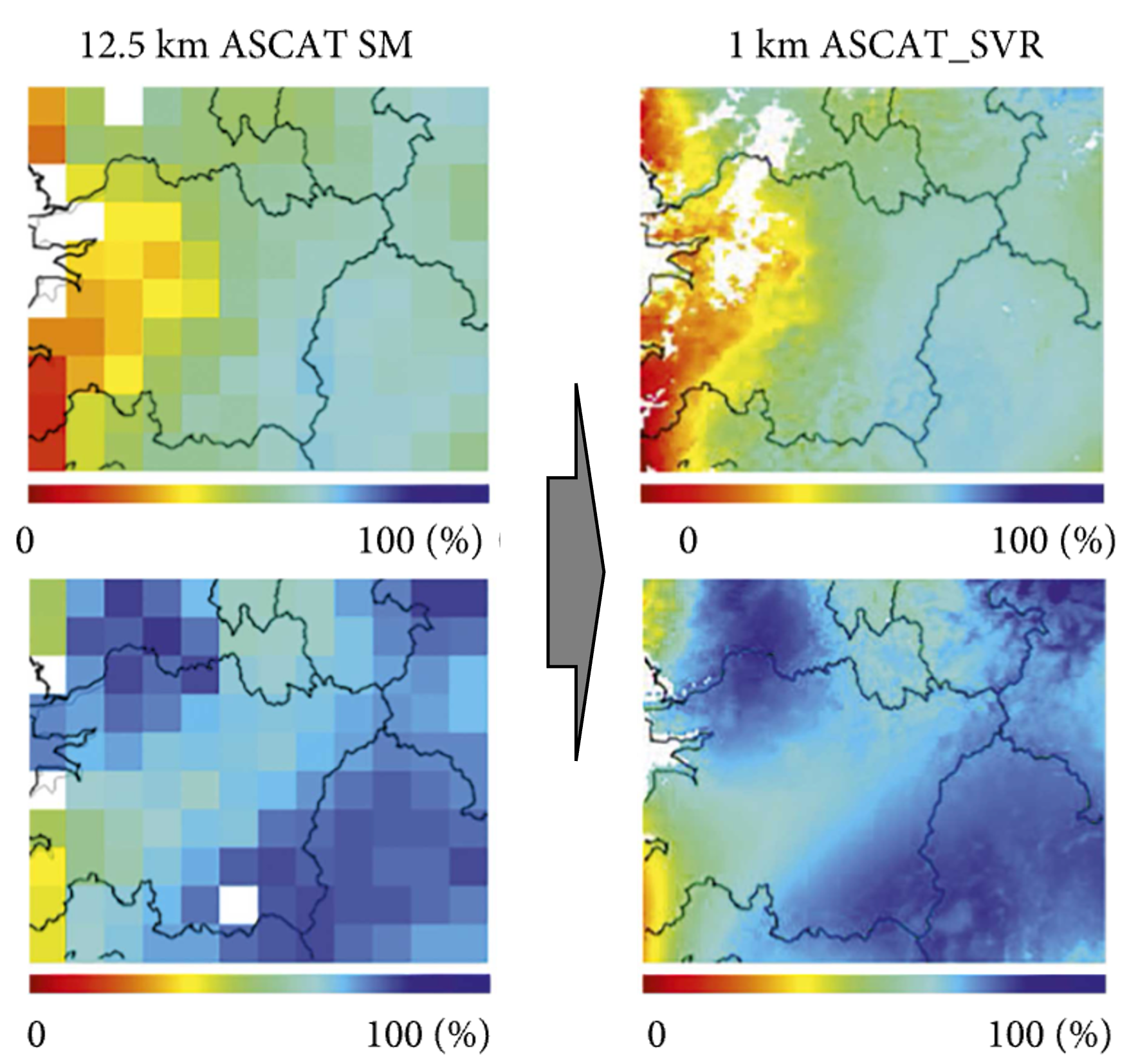
We use recent artificial-intelligence weather models to forecast soil moisture worldwide, for lead times from a day to a month, and compare the forecasts with satellite observations to see where they can be trusted and for how many days.
Why it matters
Knowing where a soil moisture forecast can be trusted, and for how long, helps to anticipate drought and to plan farming and water use.